


| KEY TAKEAWAYS Brush the felt after every session to remove chalk dust and prevent build-up.Clean pool balls regularly. Dirty balls accelerate cloth wear.A pool table on a solid, level surface will last decades with minimal professional intervention.Most home tables need re-clothing every 4 to 8 years, depending on use. |
A well-maintained pool table is the centrepiece of any games room.
Pool table cleaning is one of those tasks that takes minutes to do well and costs a lot to ignore. A pool table that is brushed regularly, kept level, and stored properly will play well for decades. One that is neglected will need re-clothing far sooner, and the slate, cushions, and cabinet will take damage too.
This guide covers everything you need to keep your table in good condition. Whether you have just bought your first pool table or have owned one for years, the advice here applies.
If you are new to pool table ownership, it is also worth reading our pool table buying guide and our guide on how to set up a pool table, both of which include useful background on how the table is constructed and why that matters for maintenance.
The answer depends on how much the table gets used. For most home tables, a quick brush after each session is all that is needed week to week. A deeper clean of the felt and a wipe down of the balls can be done monthly. Professional servicing, if needed, is typically an annual job.
Here is a simple pool table maintenance schedule to follow:
| Task | Frequency |
| Brush felt surface | After every session. |
| Wipe down rails and pockets | Weekly. |
| Clean pool balls | Monthly. |
| Spot-clean felt stains | As needed. |
| Check and adjust table level | Every 3 to 6 months. |
| Deep clean felt with cloth cleaner | Every 2 to 3 months. (Depending on use). |
| Professional service and inspection | Annually If needed but can wait until next re-cloth if well maintained. . |
| Re-cloth the table | Every 4 to 8 years on average for home use, but at least once a year for commercial. |
The more the table is played on, the more frequently each task needs doing. A table used daily by a family will need more attention than one used occasionally for a game or two.
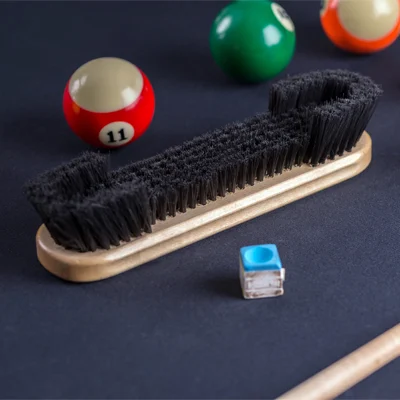
The felt is the part of the table that needs the most attention. Chalk dust, debris from balls, and general use all build up over time. Left unchecked, this affects the speed and accuracy of the playing surface.
You need a proper pool table brush. A brush with low shedding bristles, designed specifically for the job, is the right tool. Avoid household brushes, which can damage the nap of the cloth. SAM Leisure stocks a range of pool table accessories, including table brushes suitable for both home and club use.
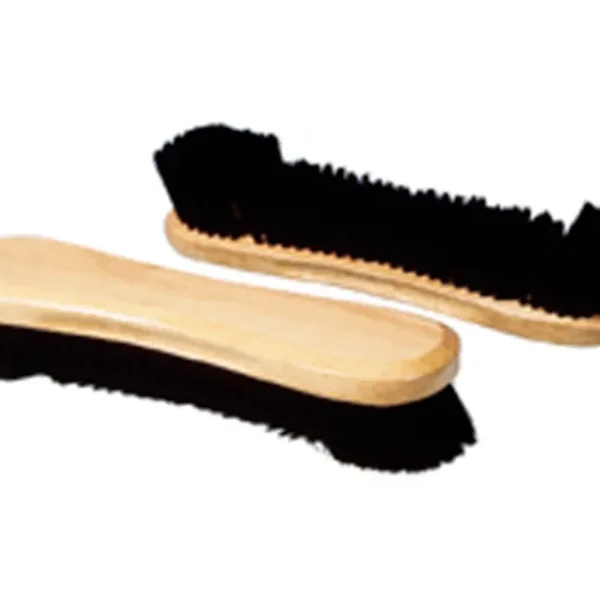
Use a pool table brush with nylon bristles. A household brush will damage the nap of the cloth.
On a traditional English pool table, the cloth has a nap. This means the fibres run in one direction, typically from the baulk end down the table. Always brush in that direction, from one end to the other in straight, parallel strokes. Never brush in circles, as this lifts and distorts the fibres.
Work from the centre of the table towards the pockets. Use long, steady strokes and avoid pressing hard. The goal is to move the chalk dust off the surface, not to scrub it in.
The single most important habit for any home pool table owner is simple brushing after every session. Most people assume the table needs a deep clean every few months, but regular light maintenance does far more for the cloth than occasional intervention. A good brush after every game can add years to the life of the felt. Michael West, SAM Leisure
Chalk dust is the most common issue, and most of it lifts with a brush alone. For heavier residue, a specialist pool table cloth cleaner works well. The PTC Professional Table Cloth Cleaner is the product SAM Leisure uses for all its own table refurbishments. Spray a fine mist about 1 metre above the cloth and let it settle, then wipe with a lint-free cloth in the direction of the nap, from one end of the table to the other.
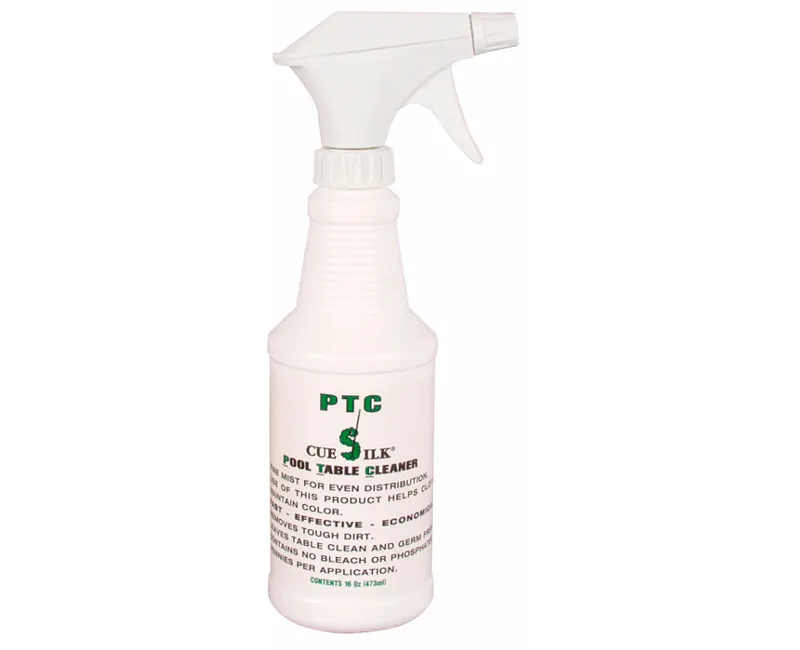
Do not use household cleaners, carpet shampoo, or water unless you are dealing with a specific stain. Household products often contain chemicals that damage the fibres or leave residue that affects ball movement.
For liquid spills, act quickly. Blot the area with a clean, dry cloth to absorb as much as possible. Do not rub. Once you have absorbed the liquid, leave it to dry naturally before assessing whether a specialist cleaner is needed.
For dried stains, a small amount of cold water on a clean cloth can loosen the mark. Blot rather than rub, and allow to dry completely before playing. If the stain will not lift, a specialist felt cleaner is your best option.
Dirty balls are one of the main causes of cloth wear and poor play. They pick up chalk, grime, and oils from hands, and over time that build-up gets transferred to the felt with every shot.

Cleaning pool balls is straightforward. For most sets, a damp cloth with a small amount of mild soap is all you need. Wipe each ball, rinse with a clean damp cloth, and dry thoroughly before returning them to the table.
For a more thorough clean, dedicated pool ball cleaner and polish products are worth using. These remove oxidation and restore the surface finish, which helps balls roll more consistently. If you are looking to replace a worn set, our pool ball range includes English and American sets from Aramith, Dynaspheres and Ventura.
A few things to avoid:
The quality of your balls matters. High-quality phenolic resin balls, like the Aramith range, are much more resistant to crazing and surface damage than budget options. They are worth the investment if your table gets regular use.
The frame and legs of a pool table are generally low-maintenance, but a little attention goes a long way.
For a wood-finish frame, a dry or lightly damp cloth is all that is needed to remove dust and fingerprints. Avoid silicone-based polish products, as these can eventually work into the seams and cause swelling.
For tables with a chrome or metal finish, a soft cloth and a chrome cleaner will keep the surface looking good. Again, avoid anything abrasive.
Pockets collect dust, chalk, and debris. Give them a regular wipe with a damp cloth and check the leather or rubber for cracking. Worn pockets are inexpensive to replace and make a noticeable difference to how the table plays.
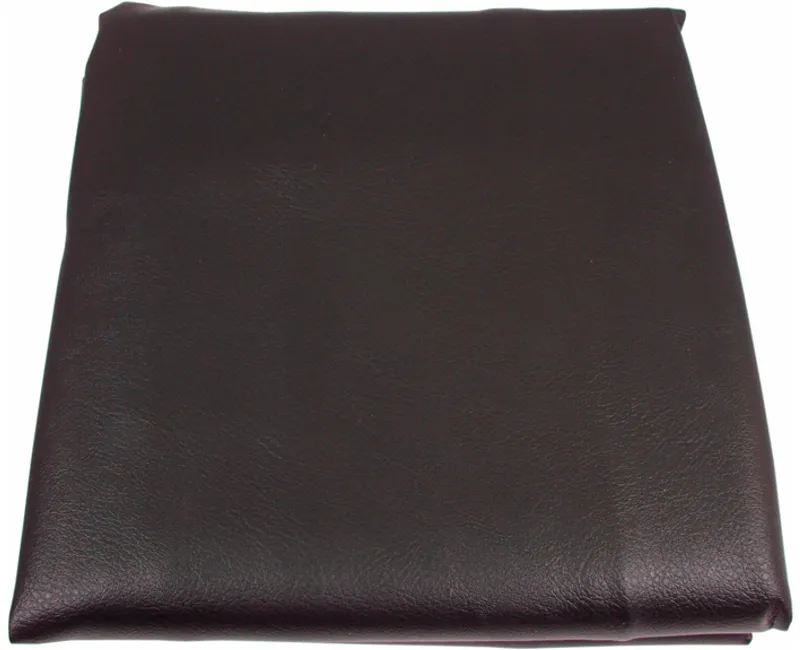
If you are not using the table for an extended period, a table cover is a worthwhile investment. It keeps dust off the cloth, protects the surface from accidental damage, and slows the fading of the felt from light exposure.
A table that is not level will not play properly. Balls will drift consistently in one direction, break shots will be skewed, and the game becomes frustrating. Levelling is one of the most overlooked aspects of pool table maintenance.

Most pool tables have adjustable feet or leg levellers. Start by placing a spirit level on the centre of the table along the long axis, then check the short axis too. Adjust the feet until the bubble sits perfectly central in both directions.
Floors settle and move over time, particularly in older properties, so it is worth checking the level every few months rather than assuming it stays fixed. If you find the table needs regular adjustment, it may be worth looking at the floor surface underneath.
A slate bed table is easier to keep level than an MDF bed, as slate does not flex or warp with temperature and humidity changes. This is one of the key reasons a slate bed table is worth the extra cost for any serious player. If you are still deciding between options, our pool table buying guide explains the key differences.
Pool table cloth has a finite life. On a home table with moderate use, good-quality felt typically lasts 4 to 8 years. On a pub or club table with heavy daily use, yearly is best practice.
Signs that re-clothing is overdue:
When it is time to re-cloth, you have the option of doing it yourself or using a professional. For most home owners, a professional is the better choice. The cloth needs to be stretched and stapled or glued correctly, and a poor installation will introduce wrinkles and dead spots that affect play.
For both American and English pool tables, replacement cloth is available directly from SAM Leisure. If you are setting up a table for the first time, our how to set up a pool table guide walks through the full process including cloth installation.
Most pool table maintenance is straightforward enough to do at home. But there are situations where a professional is the right call.
Consider booking a professional service if:
A professional will check the slate level to a much higher tolerance than a standard spirit level allows, re-tension or replace cushions if needed, and re-cloth the table if required. For a home table, this kind of service every few years is generally sufficient.
SAM Leisure’s installation team handles delivery and professional setup across the UK as standard with all table purchases. If you are thinking about upgrading, take a look at our full pool table range to see what is available.
Keeping your table in good condition does not require a lot of kit. A decent brush, a bottle of cloth cleaner, and a table cover will cover most of what you need day to day.
Browse our full range of pool table accessories to find everything you need, from brushes to table covers and levelling tools. And if it is time for a new table, take a look at our pool table collection to see what is available.
Brush the felt after every session to remove chalk dust. A deeper clean with a specialist cloth cleaner is worth doing every two to three months for a table in regular use.
A pool table brush with low shedding bristles for day-to-day maintenance, and a specialist cloth cleaner spray for deeper cleaning. Do not use household cleaners or carpet products on pool table felt.
It’s not something we recommend however, using a vacuum to clean the debris out of a pocket is possible. Brushing by hand is safer and more effective for regular maintenance when cleaning the felt.
Regular brushing with a pool table brush removes chalk dust effectively. For heavier chalk residue, use a specialist pool table cloth cleaner sprayed lightly onto the surface, then wipe with a dry microfibre cloth using straight strokes.
No. Household cleaners often contain chemicals that damage the cloth fibres or leave residue that affects ball movement. Use products designed specifically for pool table cloth.
For liquid spills, blot immediately with a dry cloth. Do not rub. For dried stains, a small amount of cold water on a cloth can help. For stubborn marks, use a specialist felt cleaner. Avoid scrubbing, which can distort the nap.
Most home table cloth lasts 4 to 8 years with regular maintenance. Replace it when you notice worn patches, uneven ball roll, or permanent staining that cleaning cannot remove. For commercial tables, we recommend a re-cloth at least once a year.
Use a spirit level along both the long and short axes of the table. Adjust the table’s feet or leg levellers until the bubble sits central in both directions. Check the level every few months, as floors can shift over time.
Wipe each ball with a damp cloth and a small amount of mild soap, then rinse and dry thoroughly. For a more thorough clean, use a dedicated pool ball cleaner or polish. Avoid dishwashers and solvent-based products.
Use a table cover when the table is not in use. This keeps dust and debris off the felt and protects it from light exposure, which can cause fading over time.
Michael West
Michael West is a pool and snooker equipment specialist with over 20 years of experience in the leisure industry. As part of the team at SAM Leisure, one of the UK’s leading pool table manufacturers and suppliers, he helps customers choose and maintain equipment for home and commercial use.